Pain Management
Therapeutic & Diagnostic Pain Relief Services
South Texas Radiology Imaging Centers offers comprehensive non-surgical image-guided pain relief services designed to alleviate back and joint pain. This special program is designed to help patients before or after surgical intervention. We will work with you and your physician to develop the best course of care.
Video transcript: Pain Management Spine Injection
At STRIC we offer a full complement of interventional pain procedures, all image-guided, to help with back pain, neck pain, low back pain, and mid back pain. This includes pain from arthritis, fractures, or herniated discs. If you have pain that is not getting better with over-the-counter oral anti-inflammatories and is starting to limit your activities of daily living, you are a candidate for an interventional spine procedure that can help you get rid of your pain and prevent the need for surgery.
General candidates for therapeutic spine injection are people in pain. It's especially helpful when we have imaging beforehand to identify the source of the pain so we can do a targeted injection. We offer many different types of spine injections; the most common is the epidural steroid injection, but depending on the structural abnormality or symptoms, we may perform nerve blocks or facet joint injections. If we know there's one problematic area or a particular nerve being irritated, we can do a more focused injection over that area.
As a radiologist, a large part of my job is looking at diagnostic imaging studies of the spine and other parts of the body. As a result, my colleagues and I are very familiar with the spinal anatomy, which helps us during procedures and helps us communicate with patients about what's causing their symptoms and how we plan to alleviate them. Our role as interventional spine specialists is to combine that imaging with your clinical description to give us the best chance of getting medication exactly where it's needed.
Typically, we inject two types of medication: a steroid that provides anti-inflammatory relief and an anesthetic that numbs the nerves. The injection first uses a small amount of contrast material to confirm correct placement, followed by the anesthetic and steroid combination. The anesthetic generally provides immediate relief; the steroid takes a day or two to take effect but provides longer-term relief.
We see patients with specific orders from referring clinicians and can also consult with patients to determine the best course of therapy. Insurance usually covers these procedures, particularly when there is a known diagnosis and treatment area. We accept most major insurance carriers and will work with your insurer to determine your benefits.
For most patients we request a driver, since some procedures may cause temporary numbness. Most procedures require no sedation and only require stopping certain medications beforehand. Procedures requiring sedation will also require not eating for at least six hours prior. The injection itself takes 3 to 5 minutes; the full visit (check-in, clinical review, consultation) typically takes 15 to 30 minutes depending on complexity.
Many patients experience slight discomfort during the procedure, but the long-lasting effects far outweigh that discomfort. After spine injections, we typically do not limit a patient's activity. If physical therapy or exercise is ordered, we recommend remaining inactive for 24 to 48 hours after the first injection.
If symptoms return, we may repeat the injection in 10 to 14 days, which often provides a stronger response. Many patients have even better relief after a second injection. We typically schedule a follow-up about 10 to 14 days after the injection to allow the steroids time to work; it usually takes 7 to 10 days for the steroids to fully reach their anti-inflammatory effect. If you're 70 to 80 percent better, no second injection is needed. If you're only halfway better, or got better quickly but it wore off, we often perform a second and possibly a third injection two weeks apart. After that, we may move to a maintenance phase with injections every three to four months as needed for chronic pain. The steroid we inject is active in the body for about two weeks, but its effects can last much longer. We take each patient one step at a time to determine if any further injections or other therapies are necessary.
Note: This transcript was generated from the video's auto-captions and lightly edited for readability. If you spot a transcription error, please let us know.
Featuring Spine & Joint Treatments
Candidates for Pain Relief Treatment May Have:
- Persistent pain that is not improved with rest and therapy
- Abnormal imaging study
- Degenerative arthritis
- Spinal stenosis
- Disc herniation
- Neck, back or sciatic pain
Spine & Joint Treatments
- Epidural Steroid Injections
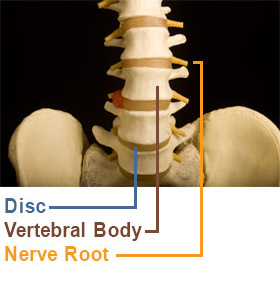
- Nerve Root Block
- RF Ablation
- Steroid Injection-Peripheral Joint Baker's Cyst & Ganglion Cyst Therapy
- Fluid Aspiration
- Lumbar Discography
- Vertebral Augmentation
Pain Relief Treatment Candidates
- Neck, back or sciatica pain
- Abnormal imaging study
- Persistent pain that does not improve with therapy
- Degenerative arthritis
- Joint-centered pain
- Spinal stenosis
- Disc herniation
VERTEBRAL AUGMENTATION
- Using fluoroscopy guidance, bone cement is placed into weakened or fractured bones of the spine
- The cement stabilizes the bone and promotes healing, thereby reducing or eliminating pain
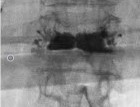
EPIDURAL STERIOD INJECTION (ESI)
- Central ESI to treat lower extremity radicular symptoms (sciatica)
- Transforaminal ESI with anesthetic and steroid to determine the origin of radicular symptoms and reduce inflammation surrounding a nerve root
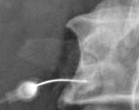
JOINT TREATMENT (INCLUDES BURSA & TENDON TREATMENT)
- Image-guided injections provide maximal success
- Upper and lower extremity intra-articular injections
- Sacroiliac joint intra-articular injections
- Peritendinous and bursa injections for pain
- Calcific tendonitis aspiration
- Baker's Cyst and Ganglion Cyst therapy
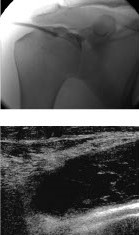
Features and Benefits
- Correlate imaging findings with clinical assessment
- Image-guided therapy with documentation of needle placement
- Specialized Musculoskeletal Radiologists
- Minimally invasive procedures with maximum potential for relief